| News Details |
The Economic Feasibility of Renewable Energy in Iraq – Anbar
2025-12-30

Assistant Instructor Ayub Yousef Ahmed
Upper Euphrates Center for Sustainable Development Research – University of Anbar
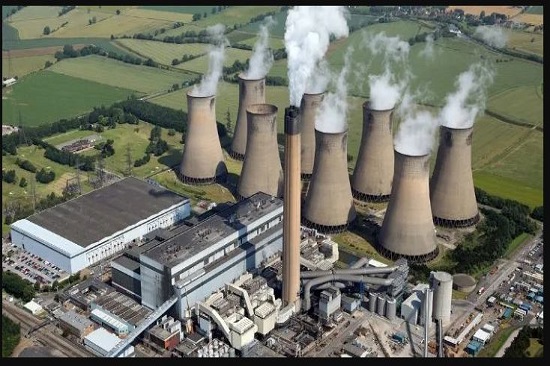
Despite this, there is a severe shortage in electricity supply to private residences and public facilities. Even at its best during the summer, electricity is only available for 12 hours a day. This highlights the urgent need to find solutions and alternatives to the energy obtained through traditional methods. The most important of these alternatives is utilizing renewable energy, which is particularly abundant in Anbar Governorate and Iraq in general. The governorate has the necessary land for establishing solar and wind farms, and Iraq enjoys over 300 sunny days a year. These advantages make Anbar Governorate one of the best-positioned governorates in Iraq to benefit from renewable energy (solar and wind). In addition to this, there is the economic aspect, as it will reduce imports of fuel or electricity from other countries. This leads to a decrease in foreign expenditures, which will positively impact external political stability and alleviate external pressures. From an investment perspective, applied studies have shown that returns from investments in renewable energy can sometimes exceed double the returns from investments in traditional energy. For example, the maintenance costs of solar energy systems are low compared to traditional electricity generation systems, and the long lifespan of a single solar panel can reach 25 years, making investment in them economically viable. Consequently, this will reduce the expenditures from the state budget allocated to this sector, thus mitigating risks to economic stability, given Iraq's complete dependence on oil export revenues and its vulnerability to global prices. Furthermore, this approach will create new job opportunities in manufacturing, maintenance, and installation, thereby reducing unemployment. It will also encourage foreign investment and the growth of scientific research and development, opening up new fields in most disciplines to become active and engaged with this trend. It is natural that any project or initiative has obstacles as well as positive outcomes. Here, we can list the most significant obstacles that we may encounter in this approach. These challenges include the high initial cost, the electricity grid and transmission lines, weather conditions such as dust storms, and legal and regulatory frameworks. The ambition to build large-scale solar farms, along with private home systems that can be connected via the grid, allows for the supply of surplus energy to the national grid. This would create a new source of income for citizens and ultimately ensure more efficient energy consumption in homes. In conclusion, the economic feasibility of this approach is highly viable, feasible, and essential for resolving the electricity crisis, achieving sustainability, and protecting the environment from the byproducts of fossil fuel-based power plants. Therefore, the government must take a serious and effective stance in supporting and enacting the necessary regulatory and financial legislation to facilitate the transition to renewable energy.
#Upper_Euphrates_Center_for_Sustainable_Development_Research